WaveLink
Choosing the best 200G optical transceiver in 2026 is a crucial decision for network performance. As data centers evolve, the demand for high-speed connectivity increases. A reliable optical transceiver can significantly enhance data transmission speeds.
When selecting a 200G optical transceiver, consider compatibility with existing infrastructure. Different manufacturers may have varying standards. Potential buyers should research the specifications closely. Even a small difference can impact performance.
User reviews and expert opinions offer valuable insights. These resources help assess durability and reliability. However, not all reviews are equally trustworthy. Look for consistent feedback from reputable sources. Selecting a transceiver is not simply about numbers; understanding your network's needs is vital.
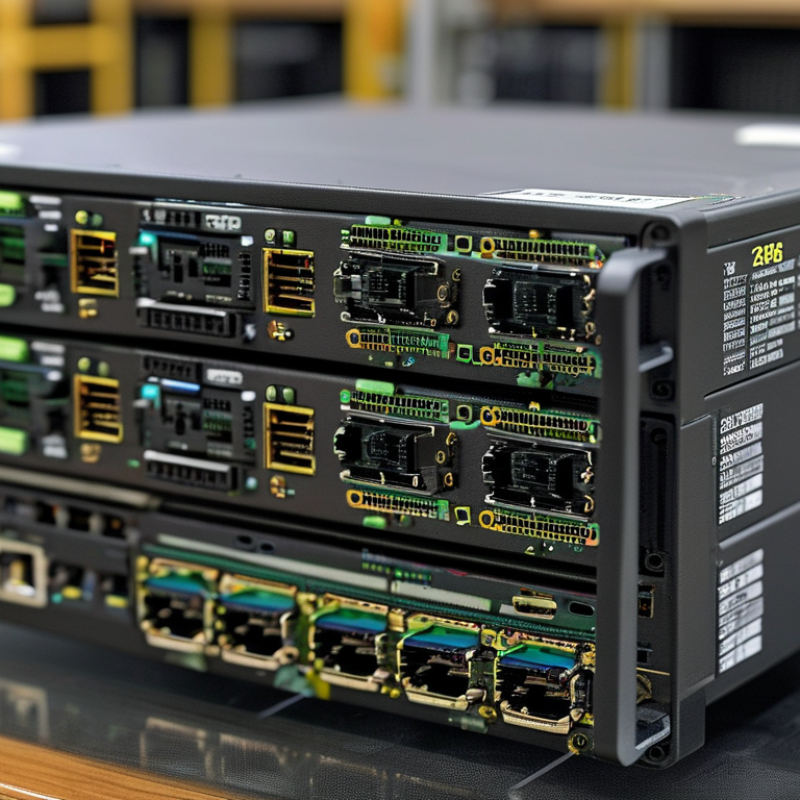
Understanding the basics of 200G optical transceivers is essential for modern network communication. As data centers continue to evolve, the demand for higher bandwidth increases. A report from the International Data Corporation (IDC) indicates that global data center traffic will reach 30 zettabytes by 2026. This highlights the necessity for robust connectivity solutions.
200G optical transceivers use advanced technologies, including DP-QPSK and PAM4 modulation. These technologies enable efficient data transmission over long distances. Furthermore, optical transceivers often operate under specific protocols, including Ethernet and OTU. Understanding how these protocols interact can improve network performance.
**Tip:** When evaluating transceivers, consider factors like reach, compatibility, and power consumption. Look for options that provide the best value for your network needs.
Optical transceiver choices can be daunting. Many factors affect decision-making processes, such as optical performance and cost-effectiveness. Ensuring compliance with industry standards is critical. A study by LightCounting forecasts that the market for 200G transceivers will grow significantly, exceeding $1.5 billion by 2026. However, not all products in the marketplace will meet the same reliability and quality benchmarks.
**Tip:** Regularly review emerging technologies in optical transceivers to stay ahead. This practice will ensure your network infrastructure maintains its efficiency.
When selecting a 200G optical transceiver, focusing on key features and specifications is crucial. One critical aspect is the form factor. The transceiver's physical design impacts compatibility with existing infrastructure. Common options include SFP, QSFP, and CFP. Each has strengths, so ensure it fits your setup.
Another significant feature to consider is transmission distance. Different transceivers support varying ranges, often determined by the type of optics used. Short-range transceivers can handle distances up to 100 meters. Long-range options may exceed 10 kilometers, depending on the fiber type. Review your operational needs to avoid purchasing an inadequate model.
Also, look into power consumption and heat generation. Efficient transceivers save costs over time, especially in high-density environments. Excess heat can lead to performance issues and require additional cooling resources. Lastly, ensure that the transceiver complies with industry standards, ensuring reliability and interoperability. Researching these details can help you make a more informed decision for your networking needs.
Choosing the best 200G optical transceiver is a critical decision that can impact your network's performance. Evaluating compatibility with your existing network infrastructure is vital. Different transceivers can have varying specifications, making it essential to assess factors such as form factor, protocol support, and maximum distance. Compatibility ensures seamless integration without disrupting operations.
When surveying your infrastructure, consider your current equipment. Check port types and data rates. Some transceivers may require specific connectors or wavelengths, so compatibility is not always straightforward. Existing hardware must support any new technologies introduced. You might face unexpected challenges if your infrastructure is outdated or poorly documented.
Lastly, don't overlook the role of firmware and drivers. They can affect how devices communicate within your network. Be ready to update or adjust your system for optimal performance. This element can be easily neglected, yet it plays a crucial role in ensuring a harmonious network environment. Reflect on your choices and their implications for efficiency and future scalability.
When choosing a 200G optical transceiver in 2026, assessing performance metrics is crucial. Key parameters include transmission distance, bit error rate, and bandwidth. For example, a transceiver designed for longer distances typically experiences higher attenuation. This affects the signal quality over time. Keeping an eye on these aspects ensures reliable data transmission.
Reliability standards are equally important in this selection process. Look for devices that meet industry benchmarks. An optical transceiver with a robust Mean Time Between Failures (MTBF) provides significant value. Deciding on a device with limited warranty or support can backfire. It's wise to consider long-term reliability and support systems offered.
While many options exist, not all will meet your needs. Testing various transceivers in real-world scenarios will reveal their performance. Adapting to unexpected performance issues is part of the journey. Experience shows that the best transceiver for one application may not suit another. Your needs will dictate the most suitable choice.
| Performance Metric | Description | Standard | Typical Value |
|---|---|---|---|
| Data Rate | The maximum rate at which data can be transmitted over the transceiver | IEEE 802.3bs | 200 Gbps |
| Reach | Maximum distance the signal can travel without degradation | ITU-T G.694.1 | Up to 10 km |
| Wavelength | The wavelength of the laser used in the transceiver | ITU-T | 1310 nm or 1550 nm |
| Power Consumption | The amount of power the transceiver consumes during operation | Telcordia GR-486 | < 8 W |
| Operating Temperature | The range of temperatures in which the transceiver can operate | Telcordia GR-63 | -5 to +70 °C |
| Reliability | The expected lifespan and failure rates for the transceiver | Telcordia SR-332 | > 100,000 hours (MTBF) |
In the rapidly evolving 200G optical transceiver market, brand analysis is crucial. Leading firms have introduced innovative technologies to improve performance. According to the latest industry report by ResearchAndMarkets, the global 200G transceiver market is projected to reach $5 billion by 2026. This growth stems from the increasing demand for data bandwidth and high-speed connectivity.
Choosing the right transceiver involves scrutinizing several aspects, such as compatibility, performance metrics, and power consumption. Factors like signal integrity and thermal performance can significantly impact long-term reliability. Brands that prioritize these elements often score better in durability tests. User experiences suggest that many buyers overlook compatibility with existing infrastructure, leading to disappointing performance.
Tips: Always refer to detailed performance specifications. Monitor user reviews for real-world reliability insights. Aim for transceivers that have undergone rigorous testing for quality assurance. Reliability should never be compromised for lower costs, as an inferior product could lead to extended downtime. Investing in a reputable brand may save you from future issues.
: Focus on form factor, transmission distance, power consumption, and compliance with industry standards. Each plays a crucial role.
The physical design affects compatibility with your existing infrastructure. Choose wisely to avoid integration issues.
It determines how far signals can travel. Short-range transceivers cover up to 100 meters; long-range can exceed 10 kilometers.
Efficient transceivers save costs and minimize heat generation. Excess heat can lead to serious performance issues.
Assess current equipment, port types, and data rates. Mismatched specifications may lead to unexpected challenges.
They affect communication between devices. Updating them can enhance network performance but is often overlooked.
Monitor transmission distance, bit error rate, and bandwidth. These factors impact the signal quality and reliability.
Look for devices with strong MTBF ratings. Limited warranty or support could lead to future headaches and waste.
Test different options in real-world scenarios. Be prepared for surprises; what works for one may not work for another.
Think about your needs and future scalability. Choices made now can significantly impact efficiency later on.
When selecting the best 200G optical transceiver in 2026, it's essential to understand the fundamental principles behind these devices. The article outlines key features and specifications to look for, such as data transmission rates, form factors, and power consumption. Additionally, evaluating compatibility with your existing network infrastructure ensures seamless integration, while performance metrics and reliability standards provide insight into the transceiver's efficiency and durability.
A comparative analysis of leading brands in the 200G optical transceiver market will help users make an informed decision. By considering these various factors, network administrators can effectively choose a transceiver that meets their specific requirements, ensuring optimal performance and reliability for their high-speed data demands.
