WaveLink
WaveLink
WaveLink
In the era of ultra-thin laptops, IoT integration, and high-security industrial environments, the demand for stable, wired connectivity has never been higher. As a leading Custom OEM USB to Ethernet Adapter Factory, WaveLink Optoelectronics bridges the gap between hardware portability and network reliability.
The global market for Ethernet adapters is undergoing a paradigm shift. With the rollout of 5G and Wi-Fi 6, one might assume wireless is king; however, for Industrial 4.0 applications and Data Center management, the latency-free, EMI-shielded performance of a physical Ethernet connection remains irreplaceable.
As USB-C becomes the universal standard, adapters now support 2.5Gbps and 5Gbps speeds, far exceeding the traditional 1Gbps bottleneck. Our OEM designs focus on high-bandwidth throughput for video editing and real-time data streaming.
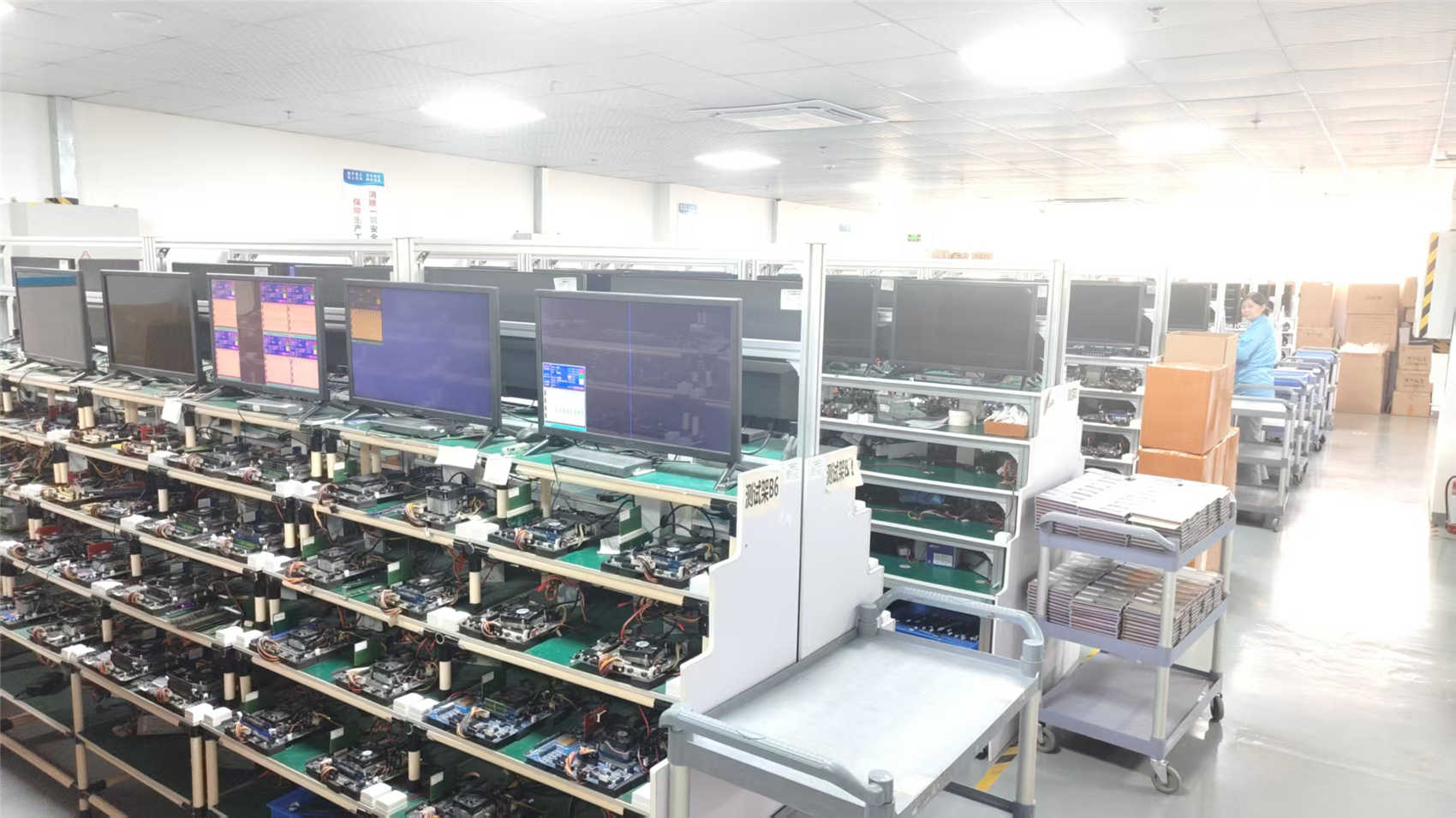
Modern factories require adapters that withstand extreme temperatures and vibrations. WaveLink’s production involves high-temperature aging tests and robust EMI shielding to ensure zero packet loss in noisy environments.
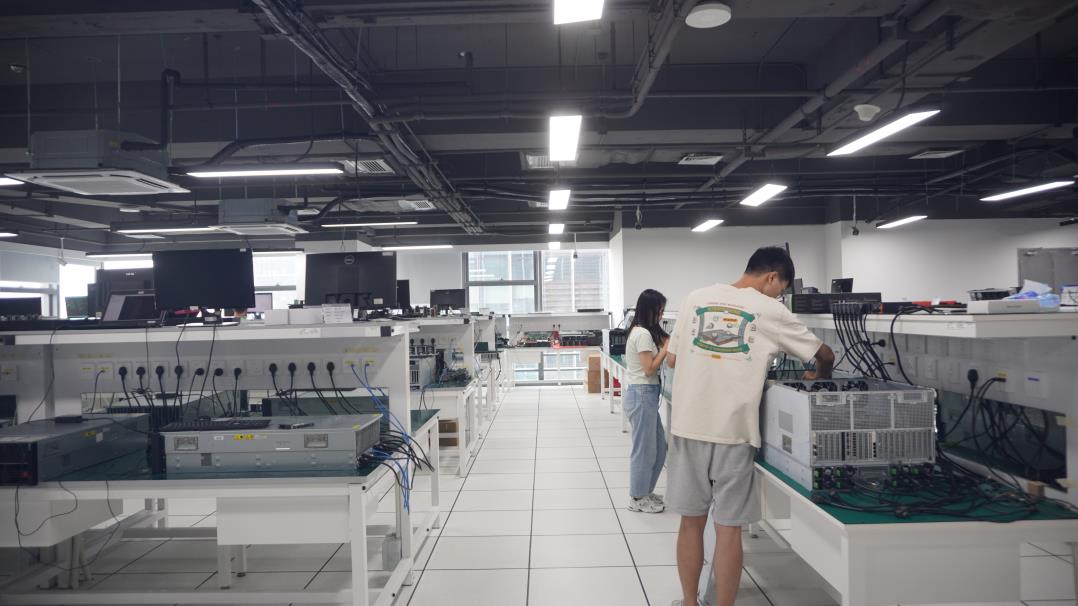
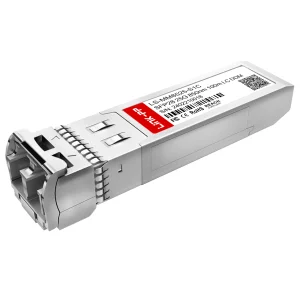
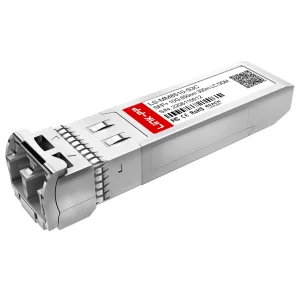
With 45 dedicated QC engineers and a 12,800㎡ facility, we don't just supply; we engineer. Our expertise in optical transceivers gives us a unique advantage in understanding signal integrity at the physical layer.
Founded in 2016, WaveLink Optoelectronics Co., Ltd. has established itself as a professional powerhouse in high-performance fiber optic and Ethernet connectivity. Our facility is not just a factory; it is an innovation hub where 220+ engineers develop the next generation of network interfaces.


Transitioning from 1GbE to 2.5GbE and 10GbE over USB-C for workstation-class performance on portable devices.
Developing integrated solutions that provide 100W PD charging alongside high-speed data to minimize cable clutter.
Implementing smart chipsets within adapters that monitor link health and predict cable failure before it occurs.
Utilizing USB-to-Ethernet adapters for "Crash Cart" scenarios, allowing technicians to gain instant console access to servers via portable laptops.
Providing secure, high-speed wired paths for medical imaging devices where wireless interference could jeopardize patient data or device accuracy.
Enabling legacy industrial machinery with USB ports to connect to modern ERP systems via reliable Ethernet bridges.