WaveLink WaveLink

Top 10 HDMI Extender Manufacturers & Factory

Global Enterprise Whitepaper & Strategic Sourcing Guide: Analyzing Next-Generation AV-over-IP, HDBaseT Engineering, and Core Fiber Optic Transmission Systems.

Premium Engineering Hardware Components & Interface Blocks

The functional stability of high-tier HDMI extension units is highly reliant on the integrity of underlying mechanical physical layers and transceiver sub-components. Below are core interconnect matrices and long-range transport modules built to satisfy zero-loss link budgets.
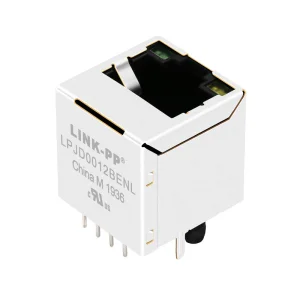
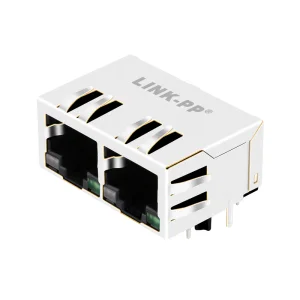
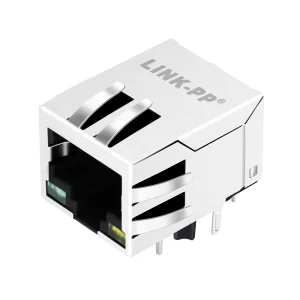
RJ45 Female Jack With Dual Color LED
RJ45 Female Jack With Dual Color LED 1840619-1
Technical Spec Sheet
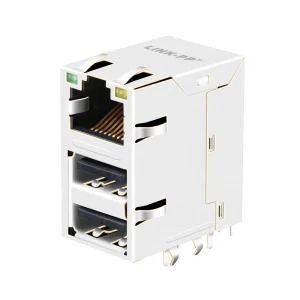
CAT6 Network Jack Stack Dual USB 3.0
CAT6 Network Jack Stack Dual USB 3.0 RJ45 Combo Connector TS-70030-1 RJU51-93EK17-G2BL JFM24U13-21U6-4x JFM24U10-21U6-4x
Technical Spec Sheet
Duplex LC SMF Optical Module
Duplex LC SMF Optical Module Single Mode SFP28 25G DWDM Transceiver 10km
Technical Spec Sheet
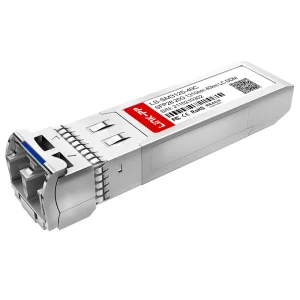
SMF 1310nm 25G SFP28 40km DDM
SMF 1310nm 25G SFP28 40km DDM LC Single Mode Fiber Optical Transceiver Module
Technical Spec Sheet
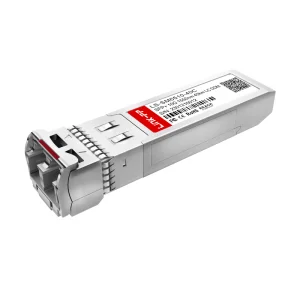
10GBASE-ER SFP+ Transceiver
10GBASE-ER SFP+ Transceiver 1550nm 40km DOM Duplex LC SMF Fiber Optical Module
Technical Spec Sheet
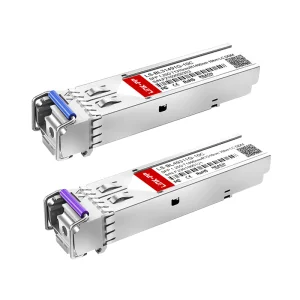
Single Mode SMF Bidirectional Optical Transceiver
Single Mode SMF Bidirectional Optical Transceiver 1310nm/1490nm Simplex LC 1G BiDi SFP Module 10km
Technical Spec Sheet
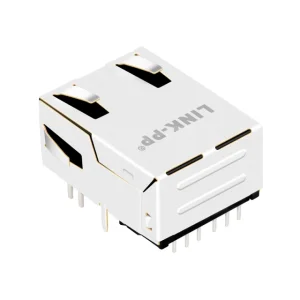
10/100 Base-t Ethernet Magnetic Vertical
10/100 Base-t Ethernet Magnetic Vertical Top Entry Female RJ45 Jack Connector With Leds
Technical Spec Sheet
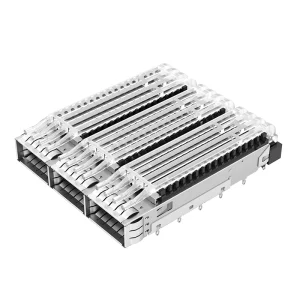
TE Replacement Through Hole Light Pipe
2170769-1 TE Replacement Through Hole Light Pipe 1x3 Ports Press-Fit SFP Cage With Heat Sink
Technical Spec Sheet

1. Modern Paradigm Shifts in High-Performance HDMI Extension

The Pro-AV ecosystem is undergoing an aggressive technical reconfiguration. Legacy copper-dependent topology faces structural physical boundaries due to high high-frequency attenuation and skin effects inherent to massive video payloads. Bandwidth thresholds required by uncompressed HDMI 2.0 (18 Gbps) and next-gen HDMI 2.1a (48 Gbps) protocols make copper media completely inefficient over spans longer than several meters.

To mitigate these physical issues, modern commercial infrastructure relies on advanced modular topologies. Technical selection criteria has evolved away from simple point-to-point analog signaling, moving to digital multi-layer frameworks:

  • HDBaseT 3.0 Standardized Extension: Extends full, uncompressed 4K@60Hz (4:4:4) video, audio, USB 2.0, control signals, and 100W Power-over-Cable (PoC) across single category Cat6A cables up to 100 meters with zero latency.
  • AV-over-IP (SDVoE Ecosystem): Uses 10G Ethernet networks to achieve limitless, ultra-low latency routing switch configurations. Software-Defined Video Over Ethernet (SDVoE) relies heavily on premium SFP+ transceivers and high-speed network interfaces to balance pixel data across multi-tenant matrix channels.
  • Active Optical Cable (AOC) and Pure Fiber Extensions: Utilizing OM3/OM4 multi-mode or OS2 single-mode optical structures to eliminate electromagnetic interference (EMI) entirely. This enables long-range pathways up to several kilometers, crucial for highly protected tactical or aerospace control centers.

2. High-Intent Enterprise Procurement Performance Benchmarks

Global procurement officials, commercial systems integrators, and network deployment engineers look past cosmetic design when sourcing hardware ecosystems. High-level requests focus primarily on absolute reliability metrics, strict protocol protections, and long-term functional stability.

Dynamic EDID & HDCP Handshaking

Advanced extension systems must integrate hardware-level EDID management microcontrollers and continuous HDCP 2.2/2.3 handshaking loops. This ensures source-to-sink authorization without display blanking or system-level sync failures.

Thermal Dissipation & MTBF

Continuous heavy-duty performance requires cast-aluminum or galvanized steel structures paired with internal active/passive heatsink logic. MTBF calculations must exceed 50,000 operational hours under full-load environment profiles.

Power-over-Cable (PoC / PoE)

Enterprise buyers demand neat single-ended power distribution. Supplying power to the whole receiver assembly over a CatX/Fiber line from a centralized transmitter location lowers installation complexity and component costs.

Industrial Isolation & ESD Protection

Industrial installations require robust protection against voltage surges. Certified hardware must feature minimum 8kV contact and 15kV air Electrostatic Discharge (ESD) shielding alongside comprehensive galvanic isolation.

3. Manufacturing Core: WaveLink Optoelectronics Production Framework

Providing massive Information Gain into this technological ecosystem requires evaluating the specialized production core that builds these high-speed signal distribution nodes. WaveLink Optoelectronics Co., Ltd. acts as a premium engineering engine, manufacturing the high-performance optical transceivers and fiber connectivity solutions that form the hardware foundation for advanced HDMI over Fiber and high-bandwidth AV-over-IP systems globally.

12,800㎡
Production Base Size
220+
R&D Research Engineers
45
Dedicated QC Inspectors
12 Yrs
Deep Industry Expertise

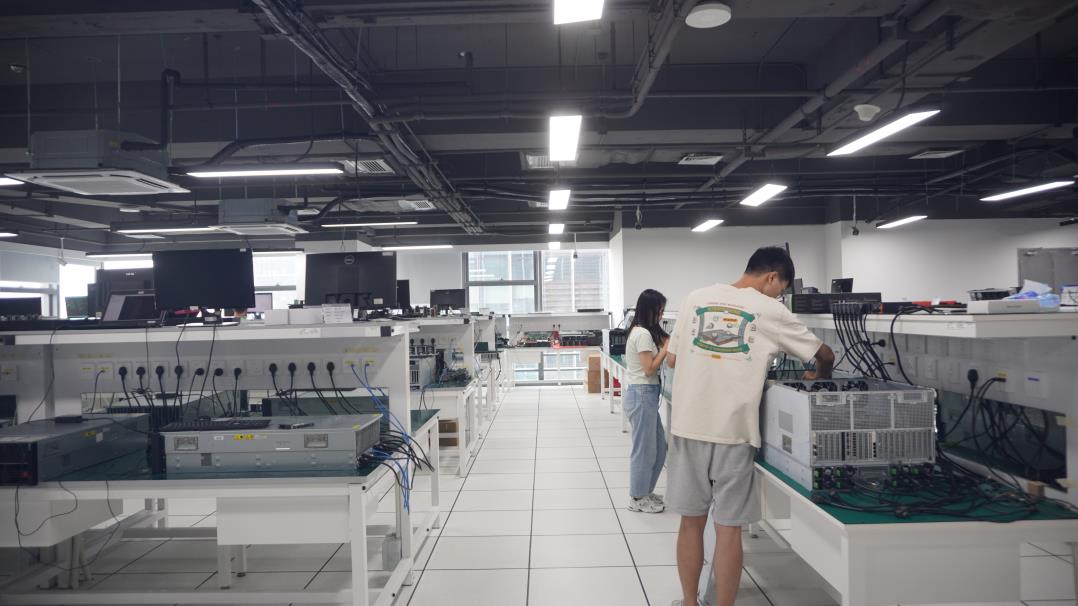
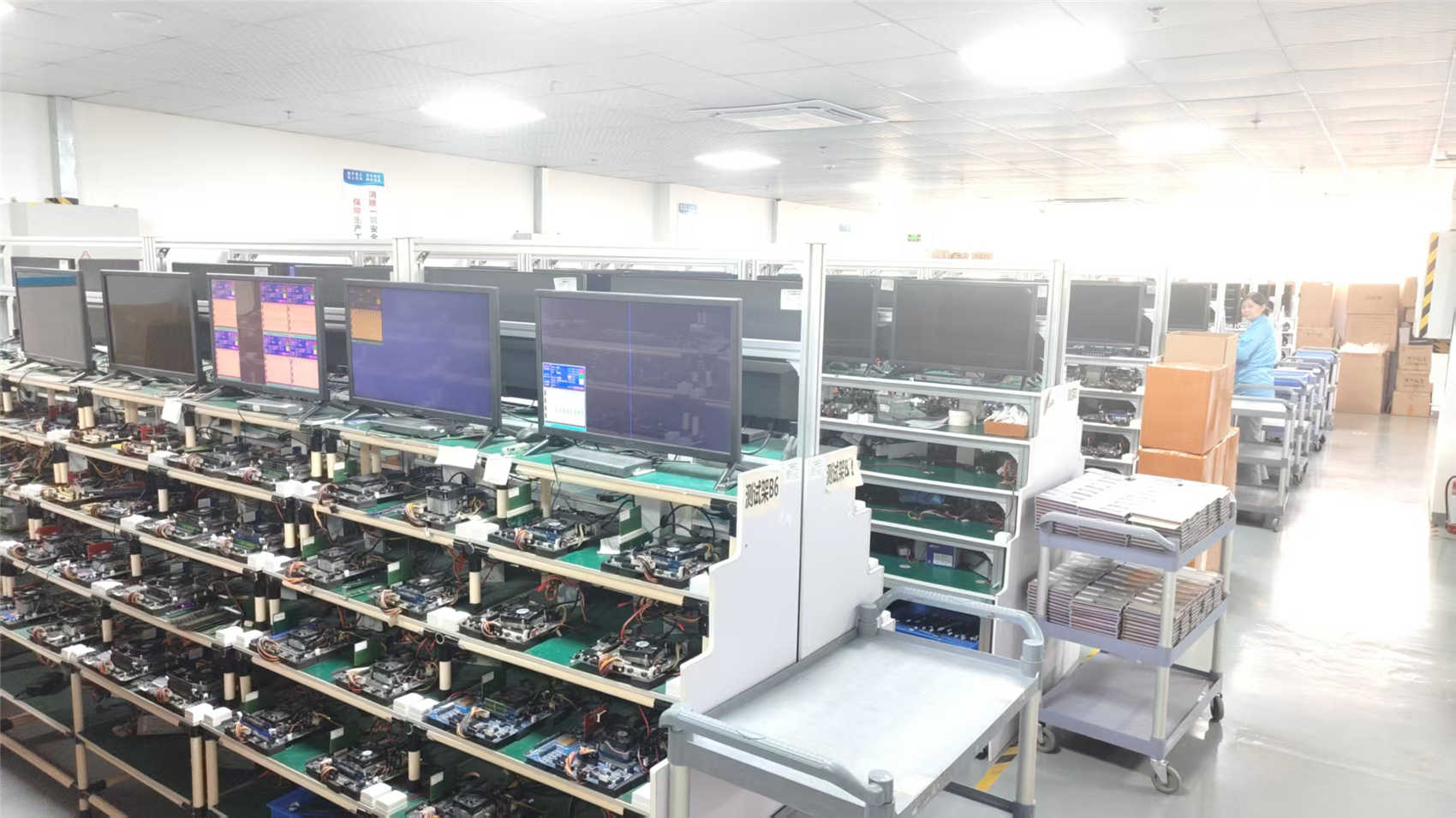
Established in 2016, WaveLink balances comprehensive industrial expertise with cutting-edge micro-assembly systems to produce an annual export volume reaching approximately USD 18 million. Their rigorous quality verification framework involves a multi-tier testing pipeline to guarantee full compliance in demanding commercial environments:

  • 100% Performance Evaluation: Every transceiver module undergoes exhaustive parametric analysis to confirm optimal optical output power levels, high receiver sensitivity, and clean eye-diagram configurations.
  • Optical Signal Integrity Testing: High-bandwidth digital bit-error-rate testing (BERT) verifies jitter margins remain safely below strict international standards.
  • High-Temperature Stress Aging: Assemblies undergo forced thermal aging profiles under loaded conditions to identify and eliminate early-stage component defects before final packaging.
  • Automated Inspection Systems: Precision automated optical testing combined with modern real-time digital calibration layers minimizes variation across manufacturing runs.

Through robust coordination with more than 1,200 upstream raw material partners, WaveLink maintains component availability and rapid scalability. Their extensive ODM capabilities are proven by the launch of roughly 180 custom product versions within the past year alone, enabling global Pro-AV providers to keep pace with changing network interface technologies.

4. Macro-Scale Deployment Applications and System Topologies

High-end HDMI extension products provide vital signal management functionality across varied professional, medical, and industrial operating environments. Understanding these complex system interactions is critical for selecting the proper vendor path:

Command & Control Operations

Aerospace, maritime, and public safety command rooms require real-time tracking feeds. Utilizing uncompressed HDMI-over-IP nodes backed by multi-gigabit fiber switches allows operators to view high-resolution imagery with sub-frame response times.

Medical Diagnostic Integration

Surgical suites require zero-artifact, pixel-perfect transmission of endoscopy or radiological imaging. Fiber-optic extensions isolate high-frequency electromagnetic noise while routing pristine 4K color detail directly to diagnostic monitors.

Large Scale Digital Signage

Transit centers, casino floors, and multi-tier sports arenas manage extensive display networks. Cascaded HDBaseT distribution setups allow complex multi-sink loops to share single media feeds over hundreds of meters without dropouts.

Corporate Collaboration Arenas

Modern enterprise workspaces combine videoconferencing, interactive touch panels, and audio capture. Integrated extension frameworks bundle USB, video, and power into unified physical connections to simplify conference table cabling.

5. Regulatory Compliance Frameworks and Sourcing Assurance

Deploying AV infrastructure into regulated commercial settings requires strict alignment with global legal frameworks and environmental certifications. Sourcing hardware that lacks proper cross-border engineering approvals can lead to regulatory field complications or safety issues.

When selecting a top-tier manufacturing partner, verification teams should prioritize compliance with the following international frameworks:

  • Electromagnetic Compatibility (CE & FCC): Extender sub-components produce high internal frequencies. Standard compliance ensures the equipment operates safely without disrupting adjacent wireless, networking, or precision laboratory electronics.
  • Environmental Safety Certifications (RoHS & REACH): Guarantees all materials, solder mixtures, internal circuit boards, and casing components are entirely free from hazardous materials like lead, cadmium, or mercury.
  • Official Protocol Adopter Status: Direct licensing from organizations like HDMI Licensing Administrator and the HDBaseT Alliance ensures total engineering compatibility, stable software handshakes, and access to the latest core protocol updates.
  • Supply Chain Compliance (TAA Alignment): For specialized government, educational, or defense infrastructure, manufacturers must provide fully documented country-of-origin verification matching administrative supply requirements.

6. Technological Engineering Roadmap: 2025–2030 Horizons

The Pro-AV industry is rapidly advancing toward ultra-high-resolution video streams and intelligent infrastructure management. Leading manufacturers are preparing for these upcoming technology transitions by focusing on several emerging engineering concepts:

  • Native Ultra-High-Bandwidth Processing (8K@60Hz / 4K@120Hz): Next-generation hardware will integrate high-performance chipsets to handle raw data loads exceeding 48 Gbps without relying on aggressive visual compression techniques.
  • AI-Driven Link Equalization: Incorporating real-time edge processing within the receiver circuitry allows systems to analyze signal degradation dynamically. It automatically optimizes equalization levels to compensate for aging cables or high connector resistance.
  • Unified Management APIs: Modern control systems are moving away from proprietary software tools. Next-generation extenders will feature standardized RESTful APIs and open JSON schemas to integrate smoothly into automated enterprise orchestration platforms.

7. Expert Engineering FAQ: Troubleshooting & Architecture Insights

Q1: How do HDBaseT extensions compare to AV-over-IP setups for multi-zone distribution?
A1: HDBaseT operates as a dedicated point-to-point connection, offering uncompressed transmission with absolute zero latency, making it ideal for immediate display applications like live performance environments. Conversely, AV-over-IP utilizes standard network switches to provide flexible, highly scalable routing matrices, though it introduces minor packetization overhead and latency depending on the encoding codec used.
Q2: What primary factors cause HDCP handshaking failures across extended cable runs?
A2: HDCP authentication failures typically occur when high-frequency signal attenuation disrupts the continuous timing loops between source and sink devices. This is often caused by substandard twisted-pair cables, out-of-spec termination points, or the absence of an active DDC booster within the extender module to sustain the 5V communication channel.
Q3: Why are high-performance SFP+ optical transceivers critical for enterprise AV installations?
A3: SFP+ optical modules provide galvanic isolation to prevent ground loop interference across long fiber-optic pathways. They supply the high bandwidth and low jitter needed to transmit pixel-perfect, uncompressed 4K video streams over distances where category copper cables suffer severe signal degradation.
Q4: How do automated optical inspection (AOI) systems benefit long-term field reliability?
A4: AOI systems examine every solder connection and surface-mount component on the circuit board against exact design parameters. This catches microscopic anomalies early, reducing the risk of component degradation caused by thermal stress or vibration when deployed in demanding industrial settings.

High-Speed Optical Modules & Interconnect Infrastructure Assemblies

For wide-scale matrix routing, high-capacity central nodes require optical transceivers and low-profile connectors engineered to strict mechanical tolerances. These components help maintain low packet loss and stable performance across enterprise networks.
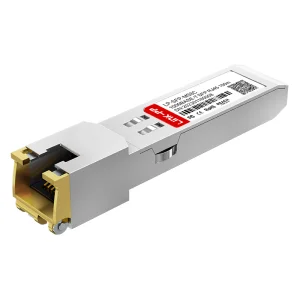
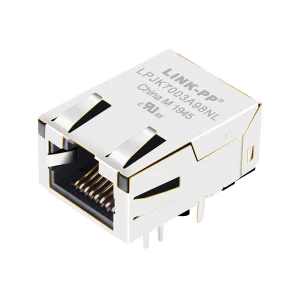
HPE Aruba Compatible SFP Copper
J8177D HPE Aruba Compatible 1000BASE-T 1G SFP Copper RJ45 100m Transceiver Module
Technical Spec Sheet
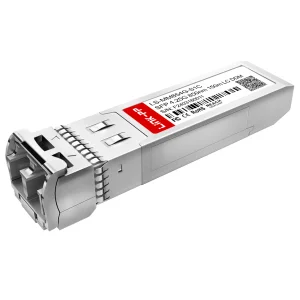
Multi Mode SFP 4G Fibre Channel
Multi Mode SFP 4G Fibre Channel 850nm 150m MMF LC Optical Transceiver Module
Technical Spec Sheet
RJ 45 Connectors with POE
RJ 45 Connectors with POE RJ45 Ethernet Jack 1-6605833-1 SFE-PRT-08534
Technical Spec Sheet
Low Profile RJ45 Connector With Leds
1368398-6 1368398-4 1368398-2 Tab up 10/100/1000 Base-t Ethernet Low Profile RJ45 Connector With Leds
Technical Spec Sheet
Low Profile 1 Port Magnetic Jack
JT4-1108HL Tab Down Low Profile 1 Port Magnetic Jack 10G Base-t Female RJ45 Connector
Technical Spec Sheet
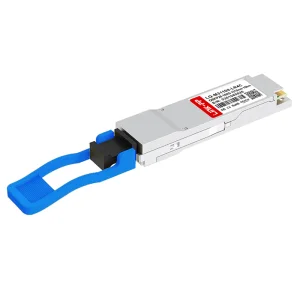
100GBASE-PLR4 QSFP28 1310nm
100GBASE-PLR4 QSFP28 1310nm 10km 100G DDM MPO-12 SMF Optical Transceiver Module
Technical Spec Sheet
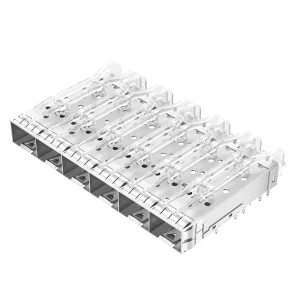
TE Compatible Through Hole EMI Shielded
2110742-1 TE Compatible Through Hole EMI Shielded 1x6 Ports Press-Fit SFP+ Cage With Light Pipe
Technical Spec Sheet
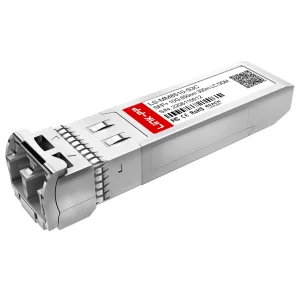
Industrial 10GBASE-SR SFP+ Ethernet
Industrial 10GBASE-SR SFP+ Ethernet Module 850nm 300m Duplex LC MMF Fiber Optical Transceiver
Technical Spec Sheet